Diet & Nutrition for Fertility in 2026: Foods That Support Conception and Foods to Limit
A fertility-supportive diet is not about one miracle food. It is about eating balanced, nutrient-rich meals that support hormones, ovulation, sperm health, metabolism, energy and overall wellness.
For couples planning pregnancy, IUI or IVF treatment in Hyderabad, the best approach is to focus on whole grains, millets, pulses, vegetables, fruits, nuts, seeds, healthy fats, adequate protein and hydration. At the same time, it is better to limit ultra-processed foods, excess sugar, trans fats, alcohol, smoking, crash diets and unnecessary supplements.
Food alone cannot cure infertility. But the right nutrition can support the body before fertility treatment and improve overall reproductive health.
Why Nutrition Matters for Fertility
Fertility depends on many factors, including age, ovulation, egg quality, sperm health, hormonal balance, body weight, thyroid function, insulin resistance, lifestyle and medical conditions such as PCOS or endometriosis.
Nutrition is one important part of this larger picture. A balanced diet can support healthier metabolism, better energy, stable blood sugar, gut health and hormonal function. Poor eating habits, on the other hand, may contribute to weight gain, inflammation, insulin resistance, nutrient deficiencies and fatigue.
For couples preparing for IVF, IUI or natural conception, diet should not be seen as a shortcut. It should be seen as preparation. A healthy body gives fertility treatment a stronger foundation.
The 2026 Diet Reality: Traditional Food Meets Modern Trends
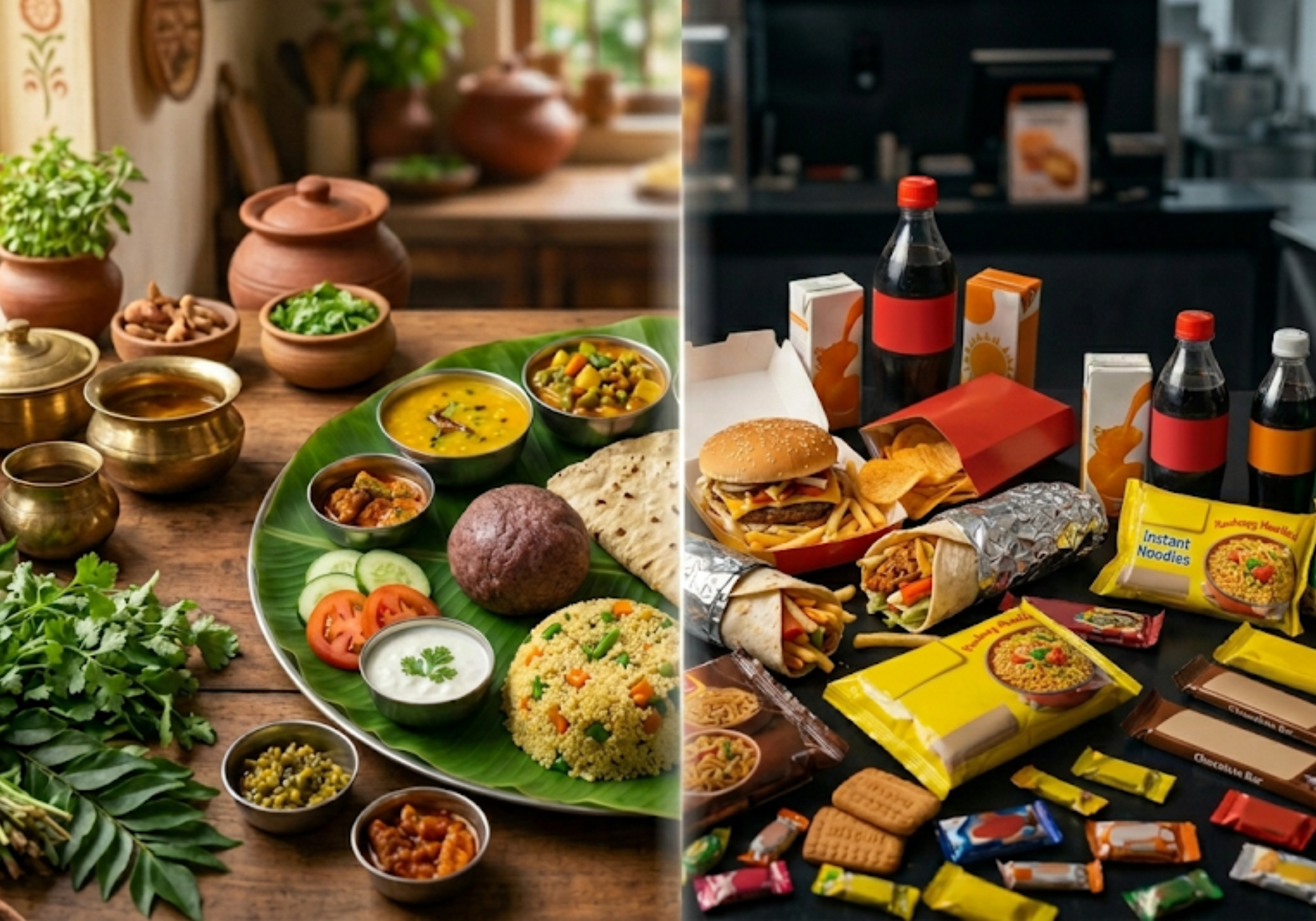
Food habits are changing quickly. Traditional Indian meals like rice, dal, curd, vegetables, idli, dosa, millets and seasonal fruits now exist alongside protein shakes, keto snacks, instant meals, packaged foods, sugar-free products and social-media diet trends.
Some of these changes are positive. People are more aware of protein, fibre, hydration and fitness. But some trends can confuse the body, especially when followed without medical guidance.
Extreme dieting, detox juices, zero-carb plans, unnecessary supplements and meal replacement shakes may disturb nutrition balance. For fertility health, consistency matters more than trends.
The goal is not to leave traditional food. The goal is to make traditional food more balanced.
Foods That Support Fertility Health
1. Whole Grains and Millets
Whole grains and millets provide fibre, B vitamins and slow-release energy. Foods like brown rice, hand-pounded rice, ragi, jowar, bajra, foxtail millet and whole wheat can support better blood sugar control when eaten in the right portions.
For women with PCOS or insulin resistance, choosing high-fibre grains instead of refined carbohydrates may be helpful. However, millets should not completely replace every meal without balance. Pair them with dal, curd, vegetables, eggs, paneer or other protein sources.
The best approach is balance. Use rice, millets and whole grains wisely instead of depending on only one food.
2. Protein-Rich Foods
Protein supports hormones, muscle health, metabolism, immunity and tissue repair. Many Indian diets are high in carbohydrates but low in protein. Couples trying to conceive should include protein in every major meal.
Good protein options include dal, chana, rajma, sprouts, eggs, curd, paneer, tofu, fish, chicken, nuts and seeds. Vegetarians can combine cereals and pulses for better protein quality.
Protein supplements are not always needed. Whole food protein should be the first choice. Supplements should be used only if recommended by a doctor or dietitian.
3. Colourful Vegetables and Fruits
Vegetables and fruits provide vitamins, minerals, fibre and antioxidants. These nutrients support general health and may help the body handle oxidative stress.
Include leafy greens, carrots, beetroot, tomatoes, capsicum, beans, pumpkin, drumstick, amla, oranges, guava, papaya and seasonal fruits.
For fertility health, the goal is not expensive imported foods. Simple local, seasonal foods can support the body when eaten consistently.
4. Healthy Fats
Fats are important for hormone production and overall health. But the type of fat matters.
Healthy fat sources include nuts, seeds, groundnut, sesame, flaxseed, chia seeds, walnuts, fish and moderate amounts of good cooking oils. Omega-3-rich foods like fatty fish, flaxseeds and walnuts may support overall reproductive wellness.
Avoid repeatedly reheated oils, excess fried foods and trans fats found in many processed bakery and packaged items.
5. Fermented and Gut-Friendly Foods
Gut health is becoming an important part of overall wellness. Traditional Indian foods like curd, buttermilk, idli, dosa batter and fermented homemade foods can support digestion.
A healthy gut may help with nutrient absorption, immunity and metabolic balance. But people with acidity, bloating, lactose intolerance or gut conditions should follow personalised advice.
6. Iron, Folate, Vitamin D and B12-Rich Foods
Micronutrients are important before pregnancy. Folate, iron, vitamin D, vitamin B12, iodine, zinc and calcium all play important roles in reproductive and pregnancy health.
Food sources include leafy greens, dals, beans, eggs, dairy, fish, nuts, seeds and fortified foods. However, many people may still need supplements, especially folic acid before pregnancy. Supplements should be taken only under medical guidance.
Foods to Limit While Trying to Conceive
1. Ultra-Processed Foods
Packaged chips, instant noodles, sugary cereals, sweet biscuits, cream-filled snacks, processed meats, ready-to-eat meals and fast foods are often high in salt, sugar, unhealthy fats and additives.
Eating them occasionally is not the problem. Frequent dependence is the concern. Over time, these foods may affect weight, blood sugar, gut health and energy levels.
2. Sugary Drinks and Hidden Sugars
Soft drinks, packaged juices, sweetened coffees, flavoured yogurts, energy drinks and “healthy” drinks with added sugar can increase calorie intake without giving real nutrition.
For people with PCOS, diabetes, insulin resistance or weight concerns, hidden sugars should be watched carefully. Read food labels before trusting marketing claims.
3. Extreme Diets and Detox Plans
Crash diets, liquid-only detox plans, zero-carb diets and extreme fasting may affect energy, mood, menstrual cycles and nutrient intake. Fertility preparation needs nourishment, not punishment.
If weight loss is medically needed before fertility treatment, it should be gradual and guided by a doctor or dietitian.
4. Excess Caffeine, Alcohol and Smoking
Couples trying to conceive should be mindful of caffeine and alcohol intake. Heavy alcohol use, smoking and recreational drugs can affect fertility health.
It is safer to discuss personal limits with a fertility specialist, especially before IVF treatment. Smoking and recreational drugs should be avoided while trying to conceive.
5. Unnecessary Supplements
Fertility supplements are widely promoted online, but not every supplement is useful for every person. Taking too many supplements without testing may cause side effects or interact with other medicines.
Before taking protein powders, herbal fertility pills, hormone-balancing supplements or high-dose vitamins, speak to a doctor.
Fertility Diet for Women
Women trying to conceive should focus on balanced meals, regular eating patterns and key nutrients. If periods are irregular, PCOS is present, or weight is a concern, food choices may need more planning.
A fertility-friendly plate can include:
- One portion of whole grains or millets
- One portion of protein
- Half a plate of vegetables
- Curd or buttermilk if suitable
- Small portions of nuts or seeds
- Adequate water throughout the day
This supports energy, digestion and hormonal balance.
Fertility Diet for Men
Male fertility is equally important. Sperm health may be influenced by smoking, alcohol, obesity, diabetes, heat exposure, poor sleep, stress and nutrition.
Men should include protein, fruits, vegetables, nuts, seeds and enough hydration. Antioxidant-rich foods like amla, citrus fruits, tomatoes, leafy greens, nuts and seeds can support general reproductive wellness.
If pregnancy is taking time, semen analysis should not be delayed.
Diet Before IVF Treatment
Before IVF treatment, the goal is to prepare the body, not follow a strict “IVF diet.” A balanced diet can support better energy during stimulation, scans, procedures and the two-week wait.
Couples preparing for IVF treatment in Hyderabad should avoid sudden diet experiments during the cycle. Do not start crash diets, new supplements or extreme fasting without medical advice.
Ask your fertility specialist if you need testing for vitamin D, thyroid, blood sugar, haemoglobin or other deficiencies before treatment.
Simple Indian Fertility Plate
A practical fertility-supportive meal can look like this:
Breakfast: Idli with sambar, dosa with chutney and egg, vegetable upma with curd, or millet dosa with dal-based chutney.
Lunch: Rice or millet with dal, vegetables, curd and salad.
Snack: Fruit with nuts, sprouts, boiled egg, buttermilk or roasted chana.
Dinner: Chapati or rice with paneer, dal, fish, chicken, tofu or cooked vegetables.
The aim is not perfection. The aim is consistency.
When Should You Consult a Fertility Specialist?
You should consult a fertility specialist if:
- You are under 35 and have been trying for 12 months.
- You are 35 or older and have been trying for 6 months.
- You have irregular periods or PCOS.
- You have thyroid, diabetes or endometriosis.
- Your partner has sperm-related concerns.
- You have had repeated pregnancy loss.
- You are planning IVF, IUI or ICSI.
- You want to delay pregnancy and explore egg, sperm or embryo freezing.
Nutrition can support fertility, but medical evaluation gives the real answer.
Conclusion
Diet and nutrition in 2026 should not be about fear, trends or shortcuts. For fertility health, the best approach is simple: eat balanced, eat local, eat seasonal and avoid extremes.
Whole grains, millets, pulses, vegetables, fruits, protein-rich foods, healthy fats and hydration can support reproductive wellness. Ultra-processed foods, excess sugar, crash diets, alcohol, smoking and unnecessary supplements should be limited or avoided.
At Origins IVF, fertility care begins with understanding the couple’s health, lifestyle, medical history and goals. Whether you are planning natural conception, IUI or IVF treatment in Hyderabad, the right first step is a personalised fertility consultation.
Book a consultation with Origins IVF to understand your fertility health and the nutrition, lifestyle and treatment options that may be right for you.
Medical Disclaimer: This article is for educational purposes only and does not replace consultation with a fertility specialist, doctor or dietitian. Diet and fertility treatment recommendations vary based on age, diagnosis, reports, medical history and individual health condition.FAQs
1. What is the best diet for fertility?
A balanced diet with whole grains, pulses, vegetables, fruits, protein-rich foods, healthy fats and hydration can support fertility health. There is no single food that guarantees pregnancy.
2. What foods should be avoided while trying to conceive?
Limit ultra-processed foods, sugary drinks, trans fats, excess caffeine, alcohol, smoking and crash diets. Avoid unnecessary supplements unless prescribed.
3. Does diet improve IVF success?
Diet alone cannot guarantee IVF success, but healthy nutrition can support overall health, hormonal balance, energy levels and treatment readiness before IVF.
4. Are millets good for fertility?
Millets can be part of a healthy fertility diet because they provide fibre and slow-release energy. They should be paired with protein and vegetables for balance.
5. Should men also follow a fertility diet?
Yes. Male fertility is important. Men should focus on protein, fruits, vegetables, nuts, seeds, hydration and avoiding smoking, heavy alcohol and poor sleep.