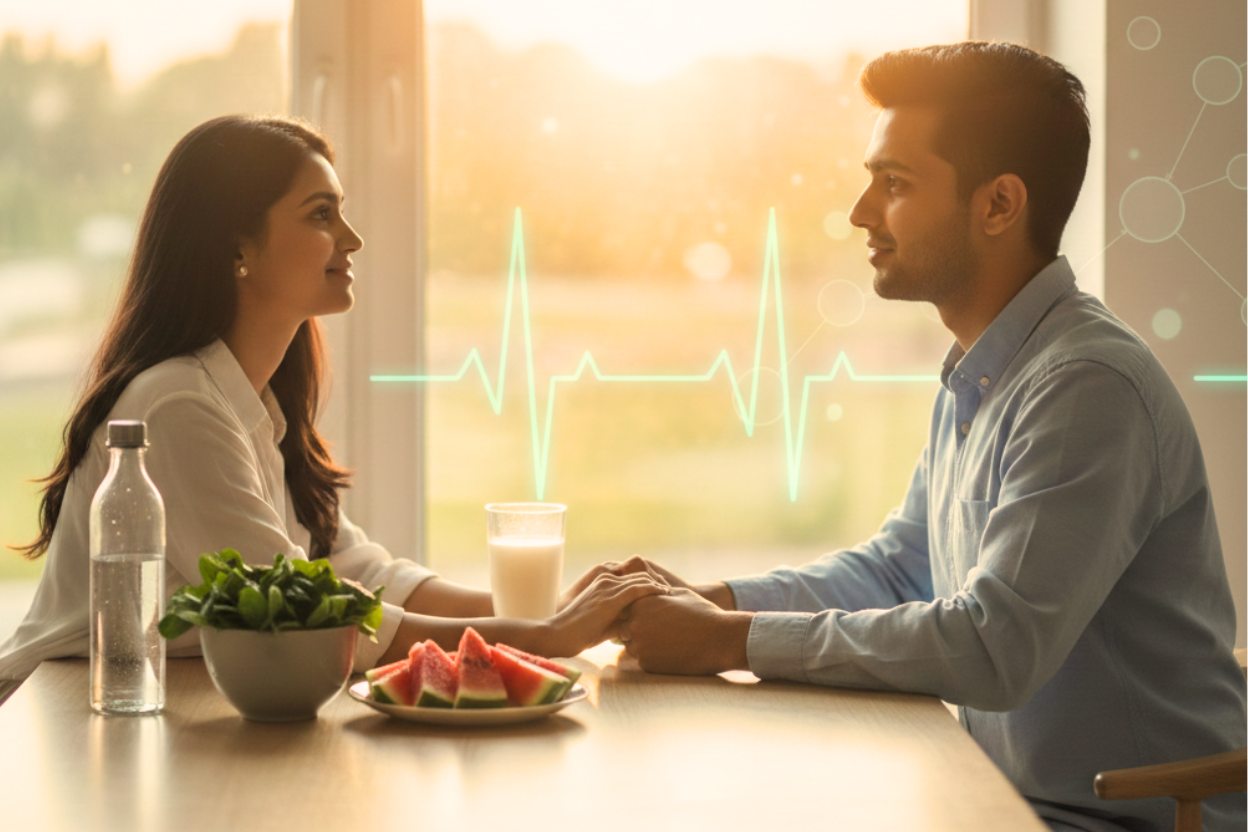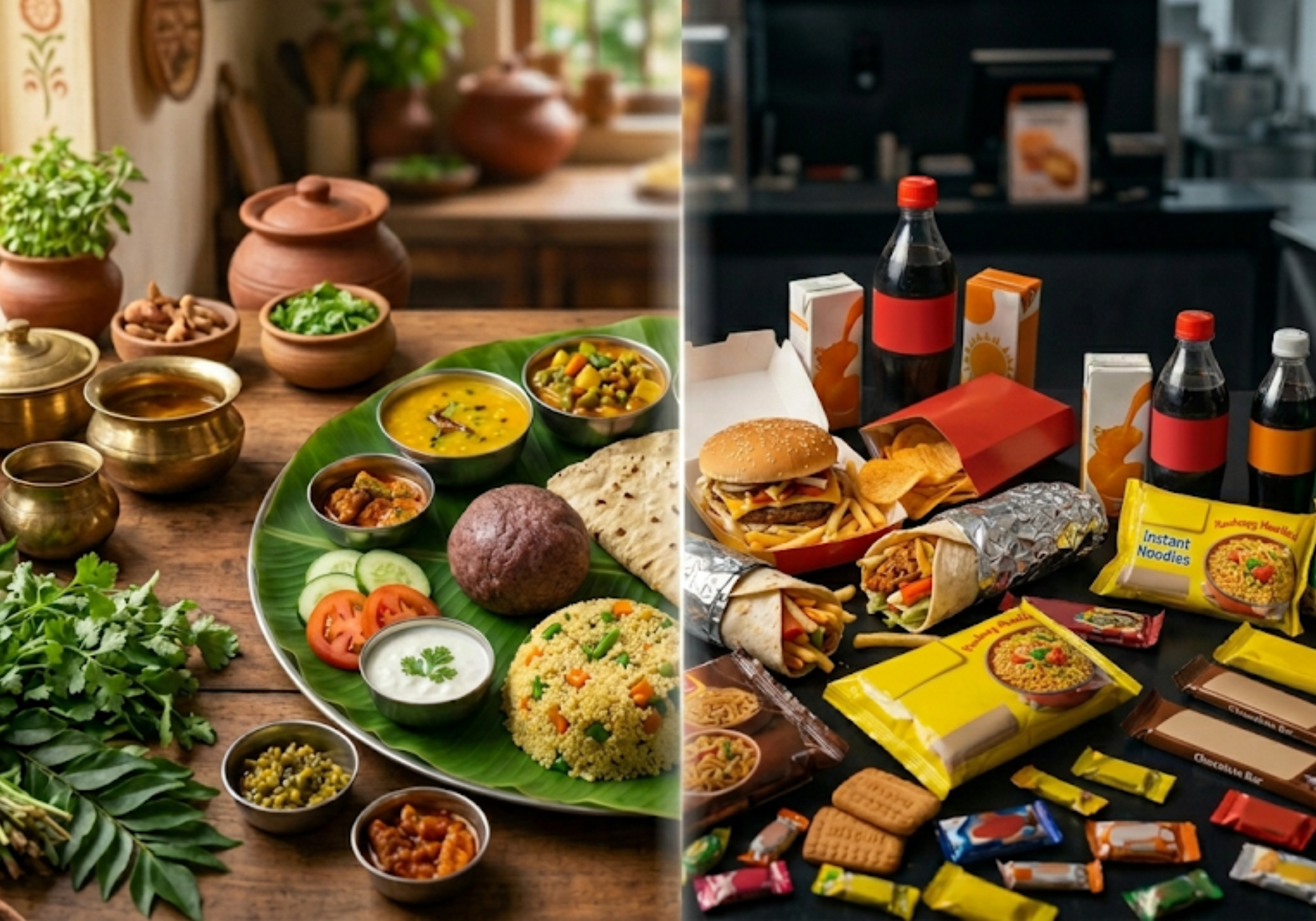
The way people eat in 2026 is changing rapidly. In Andhra Pradesh and Telangana, traditional rice-based meals now coexist with protein shakes, keto snacks, millet products, and ultra-processed foods. While some new trends improve health, others silently damage metabolism. Recent reports show rising obesity, fatty liver, and micronutrient deficiencies despite higher food availability. So what should families focus on? Which foods support long-term wellness — and which create hidden risks? Let’s understand modern diet patterns and how to make smarter choices without abandoning our cultural roots.
1. The Rise of Millets – A Positive Shift
After the International Year of Millets, many households in AP & Telangana adopted ragi, jowar, and foxtail millet. Millets improve gut health, control blood sugar, and provide fiber.
Replacing polished white rice occasionally with millets reduces diabetes risk. However, balance is important. Overconsumption without protein pairing may cause nutrient gaps.
Millets are powerful — when combined with dal, curd, or vegetables.
2. Ultra-Processed Foods & Hidden Sugars
Packaged snacks, flavored yogurts, protein bars, and instant foods are increasing. Many appear healthy but contain hidden sugars and preservatives.
Children and working professionals consume these frequently. Over time, they increase insulin resistance and weight gain.
Reading labels is crucial. Natural food is safer than marketing claims.
3. Protein Awareness – A Necessary Focus
Earlier diets lacked adequate protein. Now awareness is increasing. Eggs, paneer, sprouts, fish, and legumes are gaining importance.
Protein supports muscle, immunity, and fertility. However, dependency only on supplements without balanced meals is not ideal.
Whole food protein should remain primary.
4. Gut Health & Fermented Foods
Traditional foods like idli, dosa batter, curd, and pickles support gut microbiome health. Modern research confirms gut bacteria influence immunity and mood.
Reintroducing fermented homemade foods strengthens digestion naturally.
5. Excess Diet Trends & Metabolic Confusion
Extreme dieting — keto, zero-carb, detox-only juices — can harm hormonal balance. Many youngsters follow social media trends without medical advice.
Sustainable eating works better than aggressive dieting.
Diet in 2026 is about informed choices. AP and Telangana families have a strong traditional food foundation — and that is their biggest strength. Combining millets, protein, hydration, and natural fermented foods while reducing ultra-processed items creates long-term health. Trends will change, but biology will not. Eat balanced, eat seasonal, and eat mindfully. Health is not built through shortcuts — it is built through everyday consistency.

 In 2026, pregnancy journeys look different from a decade ago. Recent data shows rising cases of PCOS, thyroid disorders, diabetes, and delayed marriages impacting fertility rates. Yet, at the same time, more women with medical conditions are successfully conceiving due to medical advancements and awareness. In Andhra Pradesh and Telangana, urban lifestyle changes have increased fertility-related conditions — but hope is stronger than ever. This blog is for couples fighting silent battles. Conditions may slow the journey, but they do not define the outcome. Let’s explore real challenges — and real victories.